
Families continue searching for answers after health officials fail to identify 54 bodies returned during the Gaza ceasefire.
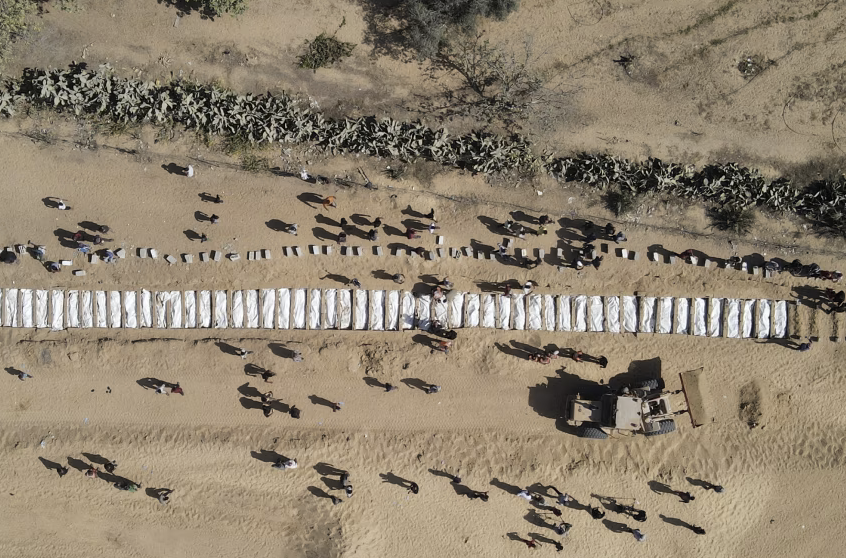
Fifty-four unidentified bodies have been buried in Deir al-Balah, Gaza, after health officials could not confirm their identities.
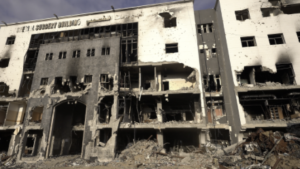
The remains arrived during the Gaza ceasefire arrangements. Families gathered at Nasser Hospital hoping to find missing relatives among the returned bodies.
Officials later moved the remains to a burial site. Workers marked each grave to support possible identification in the future.
Families Still Await Answers
The burial offered little relief to families searching for missing loved ones. Many hoped the returned remains would finally provide information about their relatives.
However, severe decomposition made identification difficult. Injuries to some bodies also complicated the process.
Palestinian health officials said they could not establish the identities before the burial. Authorities kept records of the marked graves for possible future forensic work.
Israel Makes Claims About the Bodies
Israel said the returned remains belonged to combatants in Gaza. Israeli authorities did not provide supporting evidence for that claim in the report.
The lack of identification has left many families uncertain. Some still do not know whether their missing relatives are among the 54 buried bodies.
Marked Graves Could Help Future Identification
Officials marked each burial site carefully. Those records could help forensic teams investigate the remains later.
Future DNA testing may provide answers if authorities gain access to the necessary equipment and resources. Such testing could help families determine whether their missing relatives are among the buried remains.
Gaza’s health system continues to face severe pressure. Damage to medical facilities and limited forensic resources have made identification work especially difficult.
A Continuing Humanitarian Challenge
The mass burial highlights another unresolved consequence of the conflict. Families continue to search for missing relatives while authorities struggle to identify the dead.
For now, the marked graves preserve information about the location of the remains. They also leave open the possibility of identification through future forensic investigations.
Until then, many families remain without confirmation about the fate of their loved ones.