
Nepal’s Gen Z democracy faces credibility challenges because Discord polls allow outsiders to participate. Gen Z relies on Discord to run votes for leadership within their protest movement, but these polls remain vulnerable to external interference. Without identity verification, non-Nepali users can cast votes and influence decisions, creating doubts about legitimacy.
An open-source investigation recently highlighted this flaw by showing how easily foreign participants could vote in polls designed for Nepali citizens. After casting votes, testers could also remove them, proving how simple manipulation can be. This exposes a loophole that anyone could exploit if they wanted to alter results.
Because the forums don’t confirm nationality, outsiders can stack votes or tilt outcomes. Discord does not limit one person to a single poll, so manipulation becomes even easier. Such weaknesses put the credibility of the Gen Z democracy at risk, making leadership debates highly contested.
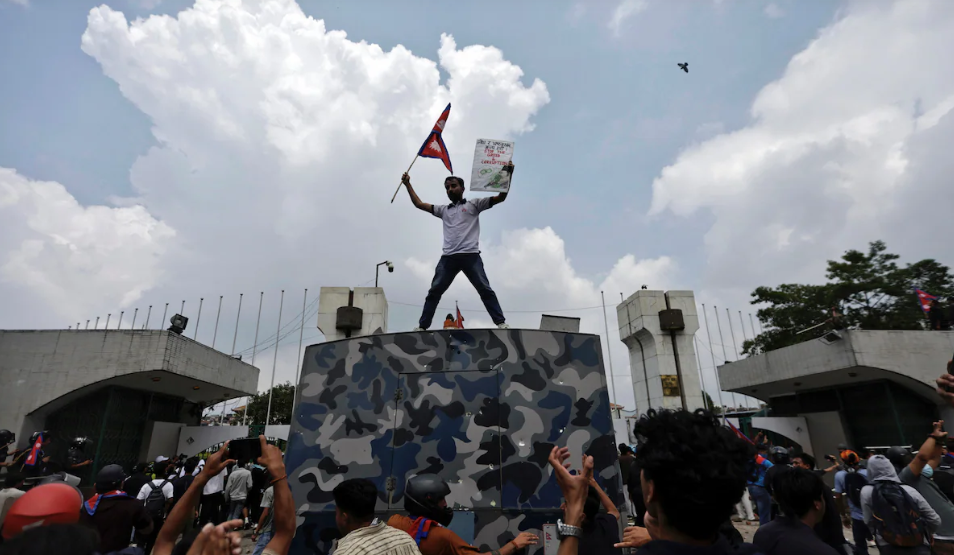
The protest movement has already seen disagreements over leadership. Some voices support figures like former Chief Justice Sushila Karki, Kathmandu Mayor Balendra Shah, political newcomer Sagar Dhakal, or NGO leader Sudan Gurung. Others argue that leaders who played only minor roles before the protests shouldn’t claim authority now.
This hackable setup weakens the democratic claims of the youth-led movement. Gen Z protestors demand accountability, transparency, and corruption-free governance. Yet, if foreigners can influence vote counts, critics may dismiss the process as illegitimate. Stronger verification measures are essential to protect the integrity of polls. Gen Z democracy must secure itself against manipulation, or decisions like leadership selection will always remain under doubt.