

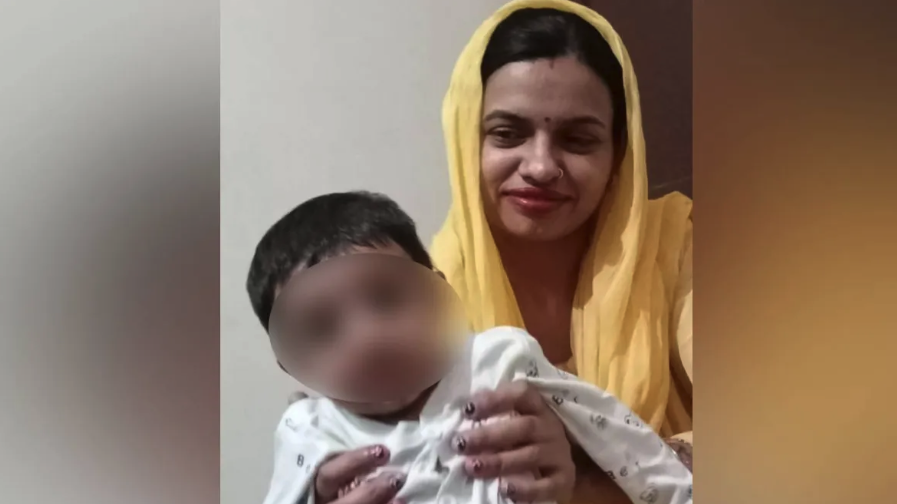
A shocking crime emerged from Haryana where a woman allegedly killed four children over a span of two years. Investigators say her motive: jealousy — she believed the children looked “better” than her own. This disturbing case has sent chills across the state, raising deep questions about mental health, child safety, and domestic vigilance.
Crime Spree Uncovered After Long Time
Police uncovered the murders after irregularities in death certificates and growing suspicion around the woman’s late pregnancies and repeated child deaths. Officials believe the first death occurred nearly two years ago. Each time a child died, the woman claimed natural causes. Authorities recently interrogated her after noticing patterns — all victims were infants and all deaths happened under similar circumstances.
Suspect’s Motive: Psychotic Jealousy, Looks-Based Insecurity
During questioning, the woman reportedly admitted she felt threatened by infants she delivered — she thought they looked more attractive than her. She said that fear drove her to eliminate them. Mental health experts on the investigation team called her behaviour “psychotic jealousy” — an extreme reaction to perceived physical comparison. Investigators are now examining her mental state, and police registered charges under relevant child-protection and homicide laws.
Public Reaction and Child-Welfare Alarm
The case sparked outrage among local residents. Many demanded strict punishment and called for better screening and counselling for mothers showing unusual behaviour. Social-welfare activists argued this incident spotlights a serious gap in child-welfare monitoring in rural and semi-urban areas. They urged authorities to strengthen mechanisms to detect warning signs in households with repeated newborn deaths.
What Comes Next: Legal Action & Mental-Health Evaluation
Police plan to produce the accused before court soon. Meanwhile, they await psychiatric evaluation to determine fitness for trial. Officials also said they will review all recent newborn-death cases in nearby areas, to ensure no similar crimes remain undetected. Child-protection agencies may increase home visits and surveillance where repeated infant deaths occur.