
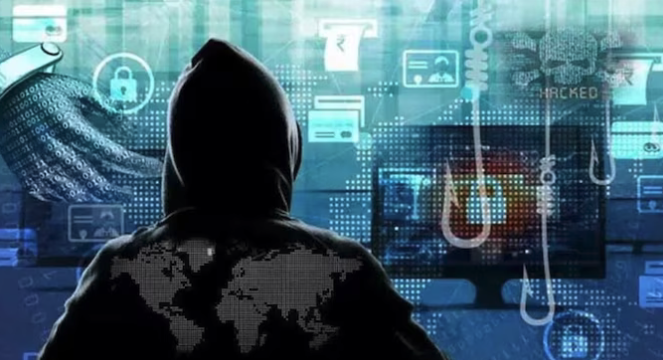
The Supreme Court demanded immediate action on growing digital arrest scams across India. It ordered the CBI to investigate all such cases and report back within a specified timeline. The court said citizens face harassment due to fake digital arrests.
During the hearing, the bench highlighted cases where people were falsely shown as wanted in digital records. Victims reported harassment by local authorities and difficulty clearing their names. The court said these scams undermine trust in digital law enforcement systems.
The CBI will now track the source of fake digital notices, the officials involved, and the networks enabling such scams. Agencies must identify loopholes in digital arrest systems and recommend corrective measures. The Supreme Court stressed that authorities must act promptly to prevent further misuse.
Lawyers said victims often struggle to get justice because the system automatically flags them online. These digital errors sometimes result in police visits, fines, or even temporary detentions. The court noted that technology must support justice, not create fear.
Officials confirmed the CBI has begun preliminary data collection. They will review digital records, cross-check complaints, and question responsible officers. The investigation also covers private intermediaries who might manipulate digital platforms for personal gain.
Experts said this move signals the judiciary’s intent to safeguard citizen rights in the digital era. They added that governments must strengthen cyber oversight and accountability.
The Supreme Court’s order comes amid rising complaints about fraudulent digital notices and arrests. Citizens, activists, and lawyers have long demanded stricter monitoring. Now, with CBI oversight, victims hope for quicker resolution and preventive measures.
The Supreme Court CBI digital arrest probe sets a precedent for stricter digital law enforcement audits. Authorities are expected to improve transparency, reduce errors, and restore public confidence in digital justice systems.