
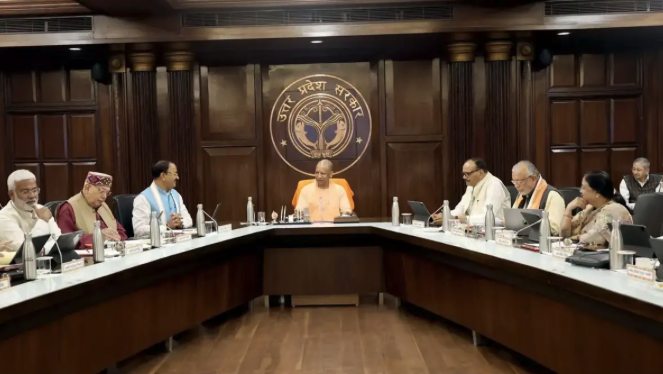
In a shocking development that has reignited national outrage, the Uttar Pradesh government is preparing to fully withdraw the case against all accused in the infamous 2015 lynching of Mohammad Akhlaq in Greater Noida’s Dadri. The incident, which saw a mob brutally beat Akhlaq to death over rumors of beef consumption, had become a symbol of rising communal tensions in India. Government prosecutors have confirmed the initiation of proceedings to drop the ongoing trials, sending shockwaves through civil society and drawing sharp criticism from opposition parties.
The state administration has formally begun the process to quash the cases against every suspect involved, as verified by the public prosecutor. A letter has been dispatched to the court outlining the request, with the next hearing scheduled for December 12. This move comes nearly a decade after the tragedy that exposed deep fissures in social harmony and led to widespread protests.
Yusuf Saifi, the lawyer representing Akhlaq’s family, stated that while no official documents have been received yet, he is aware of the procedural steps underway. “We haven’t been served any formal papers, but information about this process has reached us,” Saifi told reporters, hinting at potential legal challenges ahead. The family’s response remains measured, but sources close to them indicate deep dismay over what they perceive as a denial of justice.
The 2015 Horror in Bisada Village
It was on September 28, 2015, in the quiet village of Bisada under Dadri police station limits, that 52-year-old Mohammad Akhlaq’s life was cruelly cut short. Rumors spread via a local temple’s loudspeaker claimed Akhlaq had slaughtered a cow and stored beef in his fridge—a grave accusation in a region steeped in cow protection sentiments. An enraged mob stormed his home, dragged him out, and savagely assaulted him with bricks and sticks until he succumbed to his injuries. His 22-year-old son, Danish, was also beaten but survived after hospitalization.
The attack, captured in viral videos that horrified the nation, led to the arrest of 10 named individuals and several others. Among the accused was Vishal Rana, son of a local BJP leader, highlighting political undercurrents. An FIR was filed under sections for murder, rioting, and promoting enmity, but progress has been mired in delays, with most accused securing bail by 2017. Akhlaq’s widow, Ikram, and family have since relocated amid threats, receiving temporary security from the central government at the time.
Political Storm and Legal Ramifications
The government’s decision has sparked immediate backlash. Congress leaders have labeled it a “dangerous precedent” that emboldens hate crimes, while human rights groups decry it as a betrayal of constitutional values. The Allahabad High Court will ultimately decide on the withdrawal petition, which cites inconsistencies in witness statements and lack of concrete evidence linking specific individuals to the assault. Critics argue this ignores the mob’s collective culpability and the incident’s role in fueling Islamophobia.
As the December 12 hearing approaches, Akhlaq’s case continues to underscore the unresolved scars of communal violence in India. For his family, the fight for accountability persists, even as the state seems poised to close a painful chapter on terms that many see as unjust.