
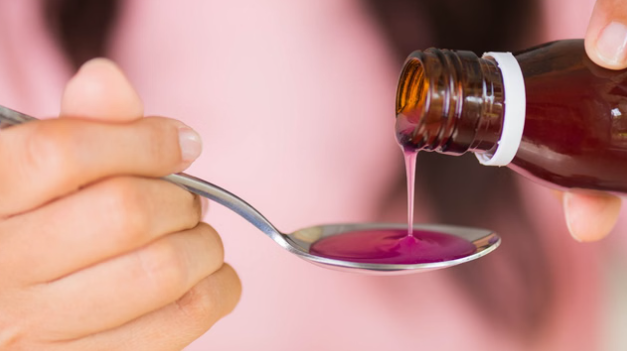
In a shocking development that has gripped Madhya Pradesh, the state government has imposed an immediate ban on the sale of Coldrif cough syrup and other products from its manufacturer following lab reports confirming toxic contamination linked to the deaths of at least nine children in Chhindwara district. The tragedy, which has also claimed three young lives in Rajasthan, underscores growing concerns over substandard pharmaceuticals in India, reminiscent of past scandals involving contaminated medicines.
The deaths in Chhindwara’s Parasia block have sent shockwaves across the state, prompting swift action from authorities. Initial suspicions arose when children under five, treated for common colds and fevers, rapidly developed acute kidney failure. Biopsy reports later confirmed the presence of diethylene glycol (DEG) and ethylene glycol—highly toxic substances that can cause irreversible kidney damage—in samples of the syrup. The investigation revealed that the syrup contained non-pharmacopoeia grade propylene glycol, contaminated with these industrial solvents often used as cheap substitutes for safer alternatives.
Swift Ban and Government Response
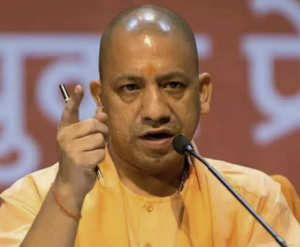
Madhya Pradesh Chief Minister Dr. Mohan Yadav expressed profound grief over the incident, describing the loss of innocent lives as “heart-wrenching.” Addressing the media, he announced a statewide ban on Coldrif syrup, effective immediately, and initiated proceedings to halt sales of all products from the manufacturer, Sresan Pharmaceuticals. “We have zero tolerance for such negligence. A state-level probe team has been formed, and the guilty will face the full force of the law,” Yadav stated.
The syrup, produced at a facility in Kancheepuram, Tamil Nadu, was sampled after Madhya Pradesh requested an investigation from the Tamil Nadu government. The Friday morning report confirmed gross lapses in manufacturing standards, leading to the ban. At the local level, Chhindwara Collector Sheelendra Singh had already prohibited Coldrif and another suspect syrup, Nextro-DS, directing pharmacies to stock only verified alternatives.
The Human Toll and Ongoing Probe
At least nine children in Chhindwara have succumbed since early September, with several others still undergoing treatment for kidney-related complications. The first case surfaced on August 24, with the initial death on September 7. Families reported that the children initially improved after taking the syrup but soon exhibited severe symptoms like reduced urine output and organ failure.
A multidisciplinary central team from the National Centre for Disease Control (NCDC), National Institute of Virology (NIV), Central Drugs Standard Control Organisation (CDSCO), and AIIMS Nagpur is now on the ground, collecting samples and analyzing factors beyond contamination. The Union Health Ministry has confirmed DEG levels exceeding permissible limits in Coldrif samples, prompting a nationwide alert. In Rajasthan’s Sikar and Bharatpur districts, three similar deaths have been reported, with Nextro-DS also under scrutiny.
Tamil Nadu’s Crackdown
Responding to the crisis, Tamil Nadu’s Drugs Control Administration banned Coldrif sales statewide from October 1, freezing stocks at wholesalers, retailers, and the Kancheepuram plant. The company received a stop-production order and a show-cause notice for license cancellation. Inspections revealed the firm supplies to Madhya Pradesh, Rajasthan, and Puducherry, raising fears of wider distribution.
This incident echoes the 2022 global cough syrup scandal that killed dozens of children in Indonesia and Gambia due to DEG contamination. Health experts are calling for stricter pharmacovigilance and random testing of over-the-counter drugs to prevent future tragedies. Parents are urged to consult doctors before administering syrups to children and report any adverse reactions immediately.
The Madhya Pradesh government has also activated air ambulance services for critical cases and enhanced monitoring in affected areas. As investigations deepen, the focus remains on justice for the victims and safeguarding public health.