
INR Hits Historic Low Against Dollar
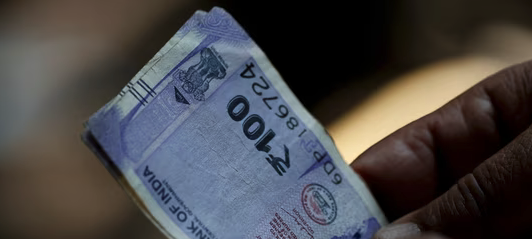
The Indian rupee slipped past ₹90 per US dollar for the first time ever, marking a sharp devaluation. The move reflects deep-rooted pressure from weak capital inflows, rising import demand, and uncertainty surrounding the India-US trade talks. Experts warn this could become a new normal unless external demand and investment flows bounce back.
Foreign Outflows, Weak Trade Push INR Down
Investors withdrew nearly US$ 17 billion from Indian equities this year. Foreign direct investment and external borrowings also remain subdued. These capital outflows reduced dollar supply, while persistent import demand — especially for oil and raw materials — kept dollar demand high. Together, these factors tilted currency demand toward USD, devaluing the rupee further.
Also, India posted a record merchandise trade deficit recently. Sluggish exports and high import bills widened the gap. That worsened pressure on India’s current account, hurting the rupee’s strength.
Uncertainty Over India-US Trade Deal Adds to Pressure
The delayed or unclear outcome of the India-US trade negotiations added to investor anxiety. Without clarity on tariffs, export policies and trade benefits, foreign investors remain cautious. Many hold back fresh investments or extend hedges against currency risk. This uncertainty eroded confidence in INR and strengthened dollar demand.
What It Means for Economy and Consumers
A weak rupee makes imports costlier — fuel, electronics, raw materials and foreign travel become expensive. It may push inflation higher. However, export firms and dollar-earning sectors (like IT and outsourcing) may benefit somewhat as their dollar revenue converts to more rupees. Policymakers now face tough trade-offs: stabilise currency without hurting growth.
Outlook: Volatile Near Term, Stabilisation Possible with Trade Clarity
Unless foreign capital returns or exports strengthen, rupee may hover near or below ₹90 for a while. A fresh India-US trade deal or improved trade balance could ease pressure. But until then, investors and consumers must brace for volatility.