

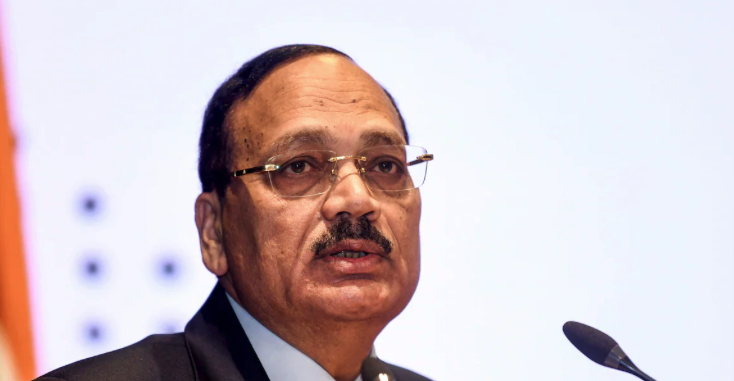
Historic Oath Ceremony at Rashtrapati Bhavan
Justice Surya Kant takes oath as the 53rd Chief Justice of India (CJI) in a formal ceremony at Rashtrapati Bhavan. President Droupadi Murmu administers the oath as senior judges, top government officials, and dignitaries witness the event. The Chief Justice begins his tenure with a commitment to strengthen the justice system and improve access to courts across the country.
Legal Career Marked by Key Judgments
Justice Surya Kant builds a long and respected legal journey before reaching the top judicial post. He serves as the Chief Justice of the Himachal Pradesh High Court and later serves at the Supreme Court. He delivers several important judgments related to criminal law, constitutional issues, and social justice. His decisions earn appreciation for clarity and strong reasoning.
Focus on Speedy Justice and Technology
In his first remarks after the oath, the CJI highlights the need to speed up the judicial process. He states that courts must use technology to reduce pendency and improve transparency. He also talks about strengthening lower courts, improving digital filing systems, and ensuring better opportunities for young lawyers. His agenda includes promoting mediation and encouraging faster dispute resolution.
Bar Leaders Welcome the Appointment
Senior advocates and bar council representatives welcome his elevation. They express confidence that the justice system will move towards faster and more efficient functioning under his leadership. Many lawyers praise his humble nature, sharp legal understanding, and strong administrative skills.
Public Expectations Rise
People across the country hope that the new CJI will address issues such as delayed hearings, overcrowded courts, and long waiting periods for verdicts. Citizens also expect reforms that make the legal system easier to understand. With rising digital adoption, many believe he will push for more user-friendly online systems.
Tenure Begins With High Hopes
Justice Surya Kant now leads the judiciary with high expectations from the public, the legal community, and the government. His tenure begins with challenges but also opens the door for important reforms and stronger justice delivery.