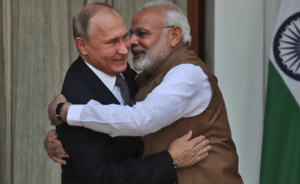


Pakistani Prime Minister Shehbaz Sharif and leaders from several Arab and Muslim-majority nations are under fire for supporting US President Donald Trump’s 20-point Gaza peace plan, with critics branding them “traitors to the Ummah” and accusing them of betraying Palestinians by implicitly recognizing Israel. Social media erupted with outrage, including hashtags like #MuslimUmmah and AI-generated memes depicting Sharif and Army Chief Asim Munir marching with Israeli flags through Gaza’s ruins. The backlash intensified after a joint statement from foreign ministers of Pakistan, Saudi Arabia, UAE, Qatar, Egypt, Jordan, Turkey, and Indonesia praised Trump’s “sincere efforts,” despite the plan’s demands for Hamas disarmament and a transitional governance body chaired by Trump himself.
The Plan and Initial Endorsements
Unveiled on September 29 during a White House meeting with Israeli Prime Minister Benjamin Netanyahu, Trump’s proposal outlines an immediate ceasefire if accepted, with all hostages released within 72 hours in exchange for 250 life-sentence Palestinian prisoners and 1,700 others detained post-October 7, 2023. It envisions Gaza as a “deradicalized, terror-free zone” under a technocratic Palestinian committee overseen by a “Board of Peace” led by Trump, with Arab states funding reconstruction and an international stabilization force (including Muslim troops) ensuring demilitarization. Israel would withdraw progressively, but retain a temporary security perimeter, with vague references to a future Palestinian statehood path contingent on reforms.
Sharif swiftly endorsed it on X, calling it essential for “durable peace” and lauding Trump’s leadership, while affirming a two-state solution. The joint ministerial statement echoed this, pledging cooperation for aid, security, and integration of Gaza with the West Bank under international law, without displacement or annexation. Trump reciprocated by praising Sharif and Munir as “incredible” allies who backed the plan “100% from the start.” Netanyahu hailed it as achieving Israel’s aims, warning Hamas of consequences for rejection.
Mounting Backlash and Accusations of Betrayal
The endorsements, seen as legitimizing Israel—a state non-recognized by Pakistan since 1947—sparked immediate fury. In Pakistan, opposition figures, journalists, and activists labeled Sharif’s support a “two-state surrender” favoring Israel, destroying 78 years of pro-Palestine policy and insulting 240 million Pakistanis. Jamaat-e-Islami Pakistan called for nationwide protests, accusing the government of licensing “genocide.” UK-based journalist Roshan M Salih decried it as the “ultimate betrayal,” while researcher Zara Quinn questioned Sharif’s mandate to speak for Pakistanis and vowed Israel recognition would “never come true.”
Social media amplified the vitriol: Posts cursed Sharif and Munir as “Zionist bootlickers” and “filthy kafir traitors,” with PTI Overseas sharing images calling them “Zionist pawns” who imprisoned Imran Khan to enable the deal. British-Pakistani journalist Moeed Pirzada mocked rulers as having “already surrendered” to Trump. Across Arab states, similar ire targeted leaders for “backstabbing the Ummah,” with fears the plan strips Palestinian sovereignty and ties Gaza’s fate to US-Arab “goodwill.”
Critics argue the plan, amid Gaza’s famine and over 66,000 deaths, prioritizes Israeli security post-“mass killings” and offers no firm statehood guarantees, potentially enabling indefinite control.
Did Trump and Netanyahu Trick the Endorsers?
Adding fuel, Pakistani Foreign Minister Ishaq Dar distanced Islamabad, insisting the plan is a “US initiative” not Pakistan’s document. Axios reported Netanyahu altered the final version presented to Hamas, diverging from what Arab states initially agreed to, complicating mediation. Trump claimed full backing from Sharif and Munir, but Hamas, after “responsible” review, demands amendments on disarmament and cadre expulsion, seeking a full Israeli withdrawal and end to war. Gaza residents and Palestinian sources fear it’s a “trick” with no real peace. Qatar, as host to Hamas, requested detailed discussions.
Broader Implications
The uproar highlights a chasm between elite diplomacy and public sentiment fiercely pro-Palestine. While leaders like those in Saudi Arabia and UAE see it as a pragmatic step toward stability (with no annexation pledges from Trump), it risks domestic unrest in Pakistan and beyond. Hamas has “two or three days” per Trump to respond, or face escalation—with Israel vowing to “finish the job.” For millions, the endorsements signal rulers trading Gaza’s survival for geopolitical favors, deepening cries of betrayal.