
EC Rebuts Rahul Gandhi’s ‘Vote Theft’ Charge, Explains House No. 0, Duplicates, and Bihar Roll Revision
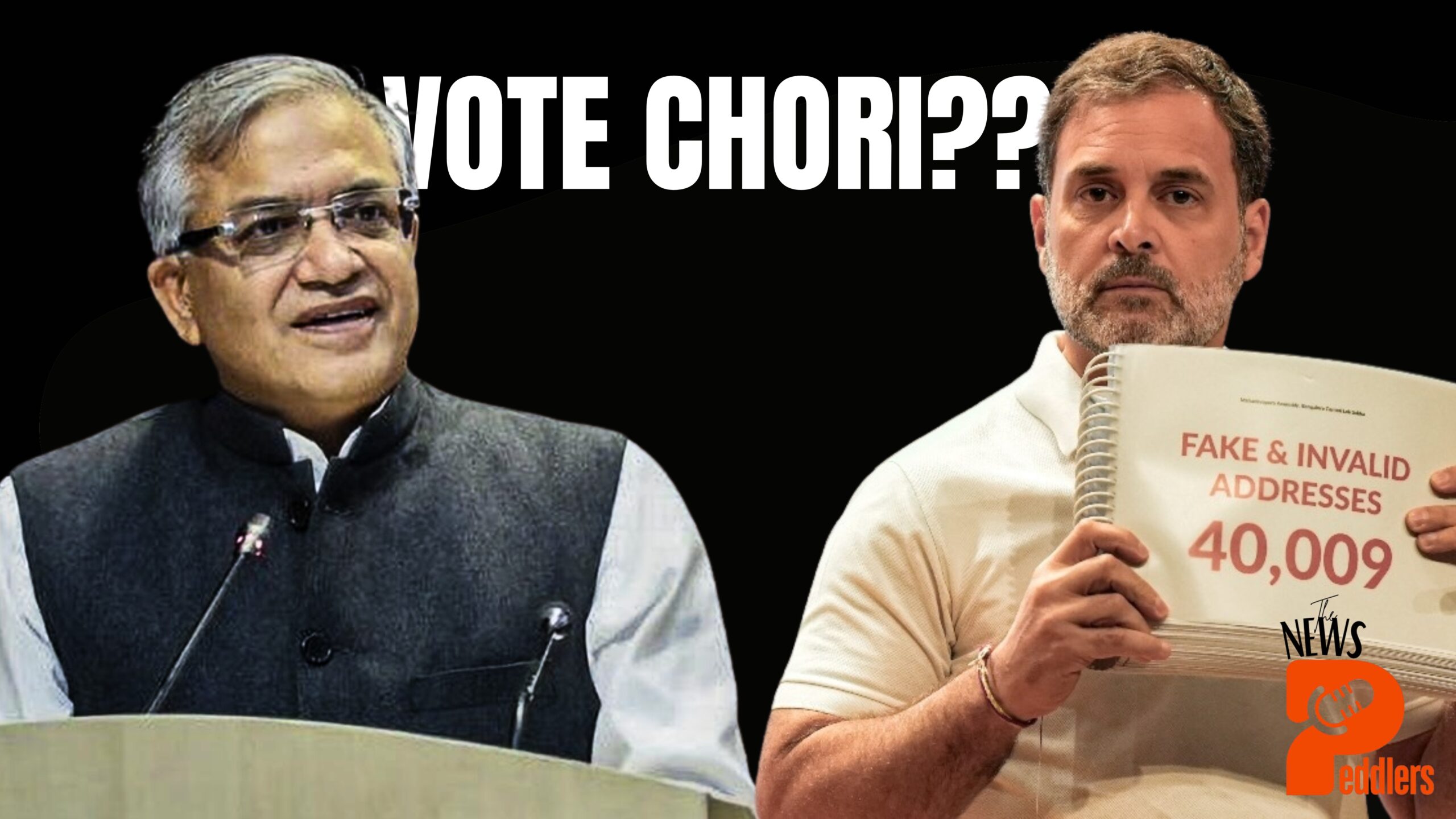
The Election Commission of India (ECI) on Sunday strongly countered Congress leader Rahul Gandhi’s allegations of “vote chori” (vote theft), defending the integrity of the electoral process and clarifying the concerns raised over voter lists.
Chief Election Commissioner (CEC) Gyanesh Kumar dismissed the charges, saying Gandhi’s presentation contained “wrong analysis” of data, and challenged him to either submit an affidavit with proof within seven days or “apologise to the nation.”
Without naming the Congress leader directly, the CEC detailed point-by-point rebuttals to the issues flagged during Gandhi’s August 7 press conference.
1. House No. 0 Entries
The EC said that in several rural and urban settlements, houses do not have official numbers. To ensure no eligible voter is excluded, such voters are assigned “notional” house numbers, often marked as zero.
Kumar explained that even those living under bridges, near lampposts, or in unauthorised colonies are given voting rights, as “address is not a prerequisite for voting — only nationality, age (18+), and residence proximity to the booth matter.”
2. Duplicate Names in Voter Rolls
On allegations of duplicate entries, the EC clarified that having the same voter’s name appear in more than one booth is not equivalent to fraudulent voting.
“Casting votes at two places is a criminal offence, but mere duplication in rolls does not amount to fraud,” the CEC said, demanding evidence from those alleging large-scale misuse.
3. 22 Lakh Deaths in Bihar Rolls
Rahul Gandhi had claimed that 22 lakh voters were shown dead in Bihar within just six months. The EC clarified that these were unreported deaths accumulated over the past 20 years, since the last Special Intensive Revision (SIR) of rolls was conducted in 2003.
Unlike summary revisions, an SIR involves door-to-door verification, which accounts for the large number of deletions.
4. Bihar Roll Revision ‘In a Rush’ Claim
Opposition parties alleged that the ongoing revision in Bihar was being hurried. Refuting this, Kumar said the exercise began on June 24 and concluded by July 20, covering over 7 crore voters.
“The Representation of People Act requires voter lists to be updated before every election, not after,” he said, noting that the last SIR in Bihar (2003) was also held in July.
EC’s September 1 Deadline
The CEC appealed to all 12 political parties engaged in the process through booth-level agents to submit complaints or corrections on the draft rolls before September 1. After that date, he clarified, the rolls would be final, and the voting process would remain separate from electoral rolls.
“Vote theft cannot happen. A voter can press the button only once,” Kumar said, reiterating that roll preparation and actual voting are governed by distinct laws.
This counter from the poll body comes after Gandhi accused the ECI of colluding with the BJP to manipulate voter lists, citing examples from the Mahadevapura assembly segment in Karnataka.